The winning formula for retail design
I was wondering only last week if there was actually a winning formula for retail design. A visually appealing and versatile retail space which does the best selling job on your products. Is there a recipe?- 1 heaped tablespoon of layout algorithms
- 5 oz. of artistic flair
- 1 pinch of current modern trend
Mix it all together is some fancy water front design studio in central London, et voila.
The key clearly lies in getting the right architect and designer who can really communicate and inspire over your brand image, but that's not the end of it.
Countless studies into people flow, what makes an appealing store front and how to take your customers on a visual journey across your threshold, all contribute to the final design. You can't decide you need more shelves, put some up (that you got cheap from a repossession auction) then think, "I know, some blue lights under these shelves would look great". Creating what I like to call Frankenstein's monster - the complete lack of a comprehensive design plan.
Clearly, it is not practical for every retailer to invest thousands in brand image and shop fitting, especially in the current economic climate. You have to make the most of what you spend in terms of versatility and longevity and quite often you end up going with the 'safe bet' multi-purpose shelving and plastic lean back sign holders. But that doesn't have to be bland if you you keep these rules in the back of your mind:
1. Keep it simple but bold


2. Don't play all your cards at once
Maintain some mystery about what's in your shop, especially from the outside. With their screens all aligned so they're not facing outside, it makes passers by wonder 'what are they looking at?' which draws people inside. You can apply the same logic by not overcrowding your shop window and giving hints as to the more interesting things inside.

3. High contrast
Interior contrast refers to much more than just colour and shade. Large or small, smooth or sharp, flat or textured, messy (organic) or refined. All these things can bring a shop to life.
Remember, you only get a small window of opportunity to wow your customers so there's no point making your shop look the same from every direction. This actually can be a god send in terms of making your shop look amazing as well as being a practical environment to showcase your products (which, lets be honest, is the whole point).

4. Serious about your brand
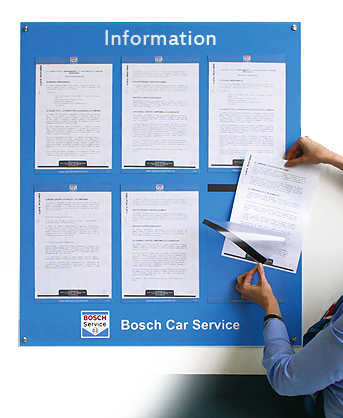 Even if you don't want your customers to think you take yourself too seriously that doesn't mean you can't be serious about your brand. A good approach is to always try to punch above your weight. Spend money on things that don't cost the earth but that are associated with larger companies. Voice-overs on your shop radio, Italian display stands and branded notice holders are a good way increase perception of your brand which can have a huge impact on repeat business.